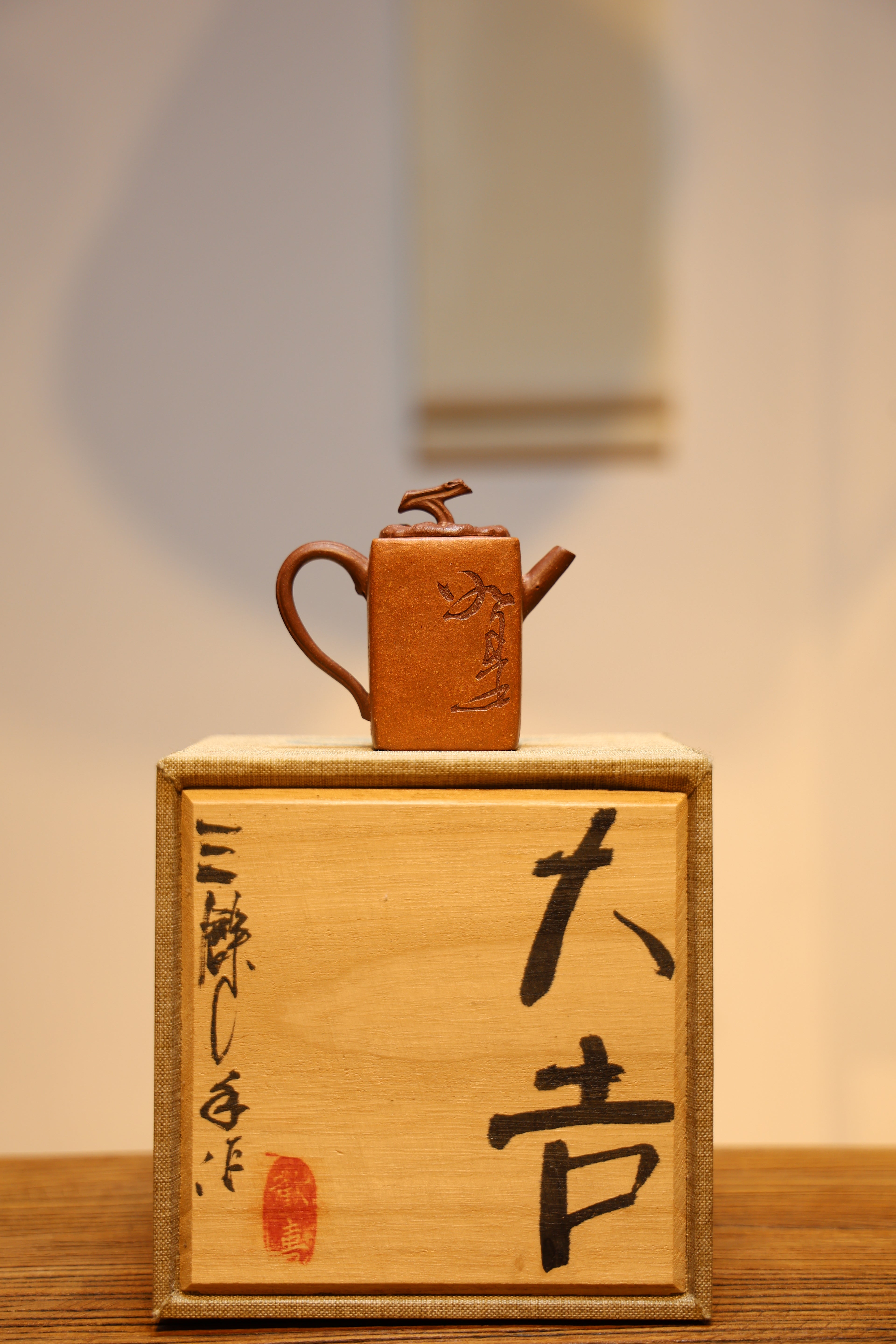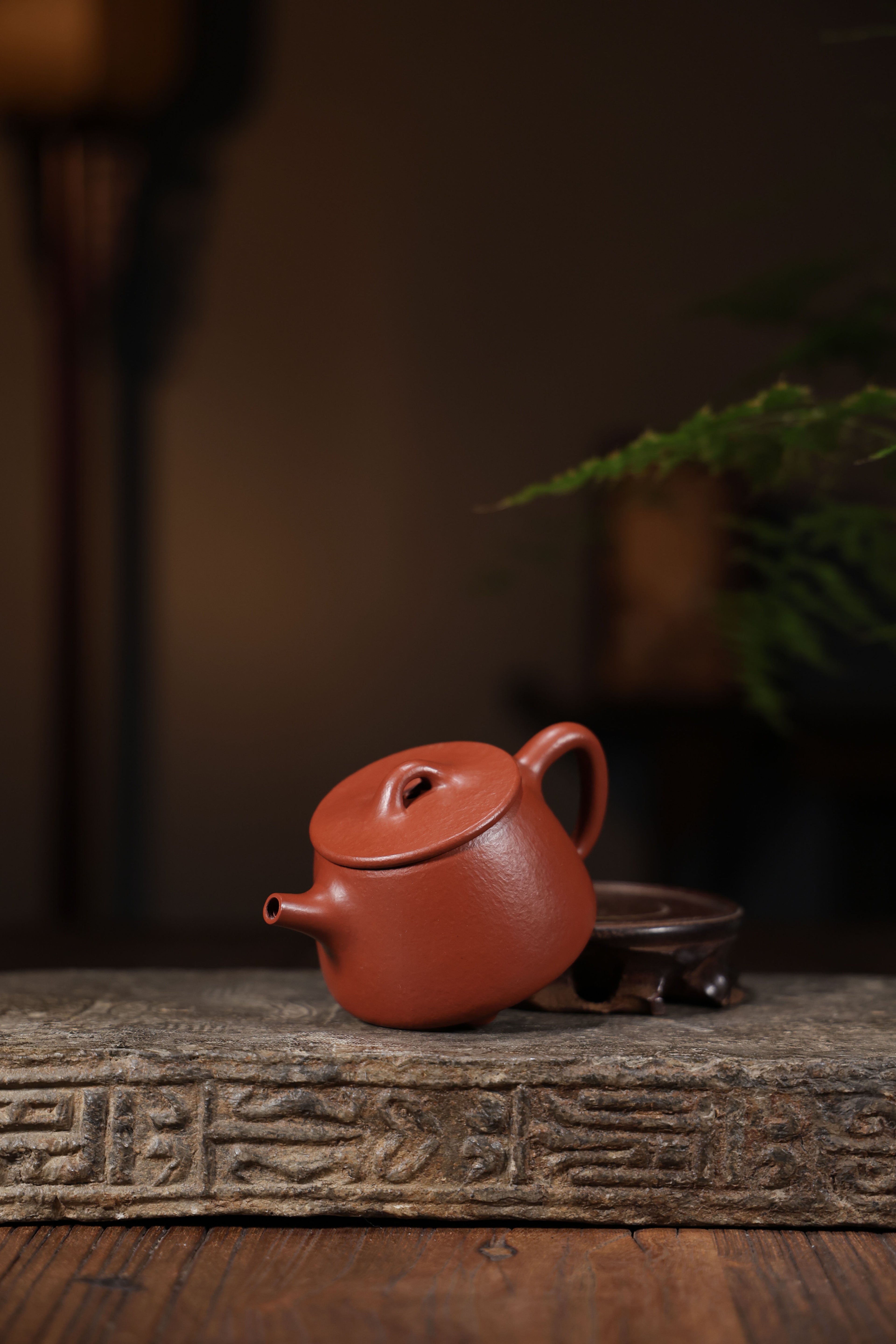
Generations of lovers have long cherished the special enchantment of Yixing Zisha teapots. Existing in the modest town of Yixing, the nation, these pots are created from a rare and collected purple clay celebrated for its notable thermal features and capacity to elevate the savor of extracts. More than their serviceable benefit, Zisha teapots illustrate a extensive historical tradition, fashioning them extremely cherished and a undisputed marvel for any dedicated teapot lover.
copyrightining Yixing Clay Pots
Authentic teapots exhibit a distinctive mixture of history and artisan craftsmanship. Coming in Yixing, Jiangsu Territory of China, their narrative begins from the Ming Dynasty, although documentation suggest earlier instances. The unique burgundy clay, called Zisha, found exclusively in the Yixing region, is the fundamental component, contributing to the pots' remarkable heat preservation and the manner they modify the aroma of tea. Lineages of potters have developed techniques—often conveyed through families—including coiling the clay, applying elaborate embellishments, and firing the pots at regulated temperatures.- Originally, Yixing teapots were often adorned with simple designs.
- Subsequently, more advanced carvings and representative motifs became favored.
- The oven firing itself is a crucial element, requiring lengthy phases of competence.
Accumulating Zisha Teapots: Necessary Considerations
Launching a mission to collect Zisha pitchers can be fruitful, but it’s vital to comprehend what to analyze. Authenticity is essential; focus on the soil’s natural color, a faint reddish-brown is common. copyrightine the surface; genuine Zisha has a exclusive tactile sensation, often described as slightly grainy. The profile should be harmonious and consistent with classic styles, while signatures, if present, require thorough copyrightination for authenticity. Don’t shy away to consult with professional connoisseurs or trusted authorities – their awareness is invaluable.
The Vessels: Discovering the Tradition of renowned Purple Clay
Eons have seen Yixing Zisha Clay teapots sustain a unique role in Chinese history. These exquisitely made pots, sourced primarily from the territory of Yixing, are acclaimed for their identifiable complexion, feel, and their ability to improve the aroma of extracts. Several collectors collect antique Yixing teapots, prizing them deeply not only for their aesthetic appeal, but also for the legacy they symbolize.
Yixing Zisha Teapots: An Premier Forms and Their Properties
Ming Clay teapots, developed in the traditional province of Yixing, the Chinese territory, are distinguished for their special clay and remarkable brewing powers. Inside the countless Zisha types, particular types that are highly valued include Tianqing. Binzhou, known for its strong purple shade and polished texture, delivers a gentle flavor. Duan Ni form, recognizable by its coppery color and moderately grainy feel, is considered to enhance tea’s substance. Lastly, Zhuni clay boasts an uncommon maroon tone and can lend a savory nuance. Each class delivers a different experience, making them considerably desirable with infusion enthusiasts.
Understanding Unique Earthenware Vessel
To experience the virtue of your Yixing container, knowing the correct way is crucial. These clay containers, celebrated for their permeability, will successively develop the essence of the tea you cook within them. Begin by cleaning the teapot thoroughly with scalding water. Then, use only high-quality loose leaf tea, as lower quality options can damage the container’s delicate taste. Always give the leaves to unfurl completely, and remember that with each application, your Yixing vessel will become more distinct.
Securing Your Invaluable Zisha Item
Proper attention for your Zisha pot is essential to safeguarding its quality and importance. Zisha clay, celebrated for its unique nuance and makeup, requires mindful handling. Never use intense chemicals, as these can undermine the covering. After every session, rinse the vessel with gentle warm water and allow it to ventilate completely. Yixing Teapot
- Eschew soaking the pitcher for extended periods.
- At intervals use a soft cloth to polish the exterior.
- Reflect on applying a thin layer of food-grade ointment inside the jar after drying, which can curb staining.
Initial Guide to Yixing Pots
Yixing pitchers, originating from the Yixing province in Jiangsu Province, within China, are celebrated for their distinctive properties. Fabricated from the unique purple earth known as Zisha, these earthenware are prized by drink enthusiasts worldwide. This primer will briefly explain the basics – covering varieties of Zisha dirt, frequent shapes, and crucial care pointers. Understanding the heritage of Yixing kettles can expand your appreciation for this traditional copyrightple of Chinese artistry.
Art of Mandarin Vessels: Emphasizing Zisha found in the Yixing area
Zisha pottery from the Yixing territory represents the peak of Oriental earthenware design, boasting a uncommon blend of raw beauty and operational artistry. These famous pieces are noted for their vibrant shades, often varying from intense purples and red hues to delicate greys and soft beiges. The unique mineral composition of the indigenous Zisha terrain imparts a characteristic texture and creates a pleasing aroma that enhances the entire extract experience, resulting in them greatly wished-for collectibles and critical components of any serious custom.