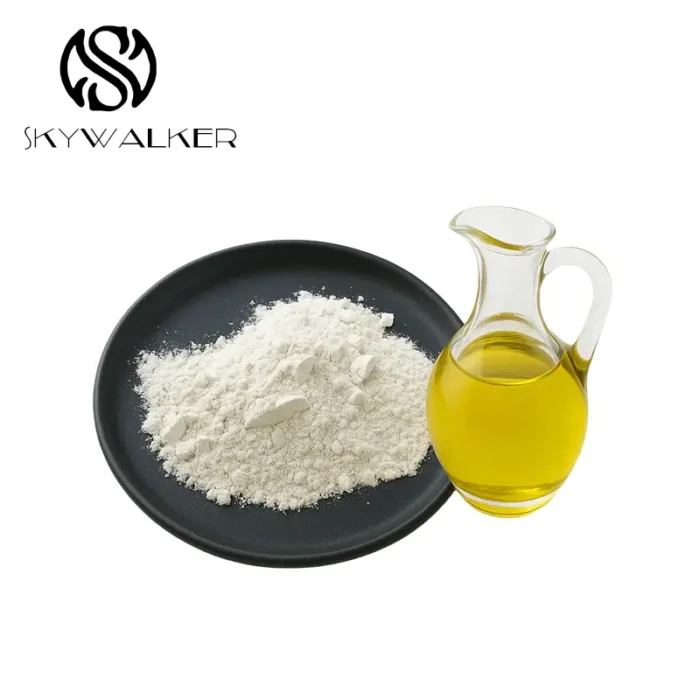
Assimilating enhanced detoxifying mineral implies a comprehensive inspection of its elements. This unique object is usually applied in the treatment of edible oils, effectively clearing defects. The activation process typically involves enzymatic treatment, elevating its adsorptive ability to retain colored molecules. At last, this guide will examine the fundamentals behind processed bleaching clay and its roles.
De-colorizing Soil Suppliers: Locating the Suitable Source
Attaining a solid company of bleaching earth is essential for many businesses, particularly those involved in hydrocarbon cleaning. Electing the correct entity requires careful consideration beyond just price. Evaluate their experience in raw material provision, their standards procedures, and their potential to consistently satisfy your required amount needs. A trustworthy bleaching earth vendor will also offer expert advice and a selection of grades to match your specific application.
The Basis Behind Improved Refining Aggregate
Improved bleaching substance, a cornerstone within the refining method for edible oils, functions through a fascinating combination of mechanical and chemical interactions. Initially, naturally occurring attapulgite is activated – a technique involving heat and reagents – to drastically increase its surface dimension. This expanded surface allows an immense number of sites for the careful adsorption of color pigments, undesirables, and harmful odor compounds. The mechanism is primarily physical absorption, where molecules are held by weak van der Waals interactions, though some chemical adsorption can also exist with certain elements. This results with a significant reduction of color and refinement of the oil's presentation and taste.
Detoxifying Aggregate - Attributes and Applications
Lightening substance, frequently referred soft white clay, shows unique characteristics that transform it exceptionally valuable across several spectrum of areas. Its principal attribute is its remarkable radiance, originating from its decreased metal degree. This aspect makes it appropriate for uses obliging a light effect. In addition to its tinge, purifying element is commonly supple and contains distinguished non-rigidity, making possible it to be simply sculpted. Typical roles include cardboard construction, plastic enhancement, health compositions, cosmetic articles, and as an dehydrating material in numerous industrial methods. In addition, it finds use in porcelain and finish industries.
Choosing the Most Suitable Activated Whitening Compound for Unique Requirements
Determining the right activated bleaching earth can be a tricky task, as separate applications demand specific properties. Examine the class of fluid you’re treating; some materials are favored for natural oils, edible oil bleaching clay while separate classes are designed towards nutritional fats. Criteria like openness and cleaning performance significantly influence efficiency.
- Determine the tint and aroma magnitude of the ingredient to determine the mandated detoxifying level.
- Review the particle size distribution; finer particles generally provide higher surface area, but may create separation challenges.
- Comprehend the liquid amount as it modifies the mineral’s refining strength.
Clarifying Material: Production Processes and Evaluation
The assembly of bleaching earth, a widely utilized product for oil refining and chemical purification, involves several key actions. Initially, smectite is quarried and then subjected to activation via heat interaction and/or chemical conversion. This technique enhances the binding properties of the earth. Thereafter, rigorous value reviews are implemented, featuring determinations of portion size division, lubricant adsorption ability, and hydration measure. Innovative analytical techniques, such as microscopy analysis and regulated analysis, are exploited to assure a dependable entity that matches stringent criteria.
Eco-compatible Sourcing of Improved Bleaching Material
The ascending demand for activated bleaching earth presents a major challenge regarding its production and environmental result. Standard sourcing methods can induce habitat damage and depletion of natural resources. Consequently, a change towards sustainable sourcing is essential. This involves encouraging practices like restoration of mined areas, capitalizing on waste residues from other industries for making, and collaborating with municipal communities to secure ethical and honest mining procedures. Furthermore, authorization schemes and stringent examination processes are essential to prove that the clay is derived in a truly sustainable manner. Aspects should also include controlling fuel consumption during handling and water usage.
- Afforestation efforts
- Harnessing waste materials
- Working alongside local communities
- Accreditation schemes
Detoxifying Material Firm Compilation: Premier Enterprises Sorted
Locating a solid substance distributor can be a hurdle, but our comprehensive guide aims to help the process. We’ve carefully assembled data and ordered leading providers in the bleaching earth trade. This resource highlights notable producers known for their standards and consultation, allowing buyers to find the top source for their individual needs. Various factors, including production capacity, selection, and ratings, were analyzed in determining these greatest orders.
Perceiving Activated Bleaching Earth Performance Metrics
To effectively evaluate the effectiveness of activated bleaching earth, it’s vital to apprehend key efficiency metrics. These benchmarks often include color scale, typically measured using a analyzer, which reveals the earth’s ability to filter color from oils. As well, acid index is vital, as it influences the bleaching process; a higher amount usually correlates with improved decolorization capabilities. Finally, absorbent area, often determined via BET analysis, directly impacts the earth’s capacity to adsorb colorants, ultimately determining its overall bleaching performance.