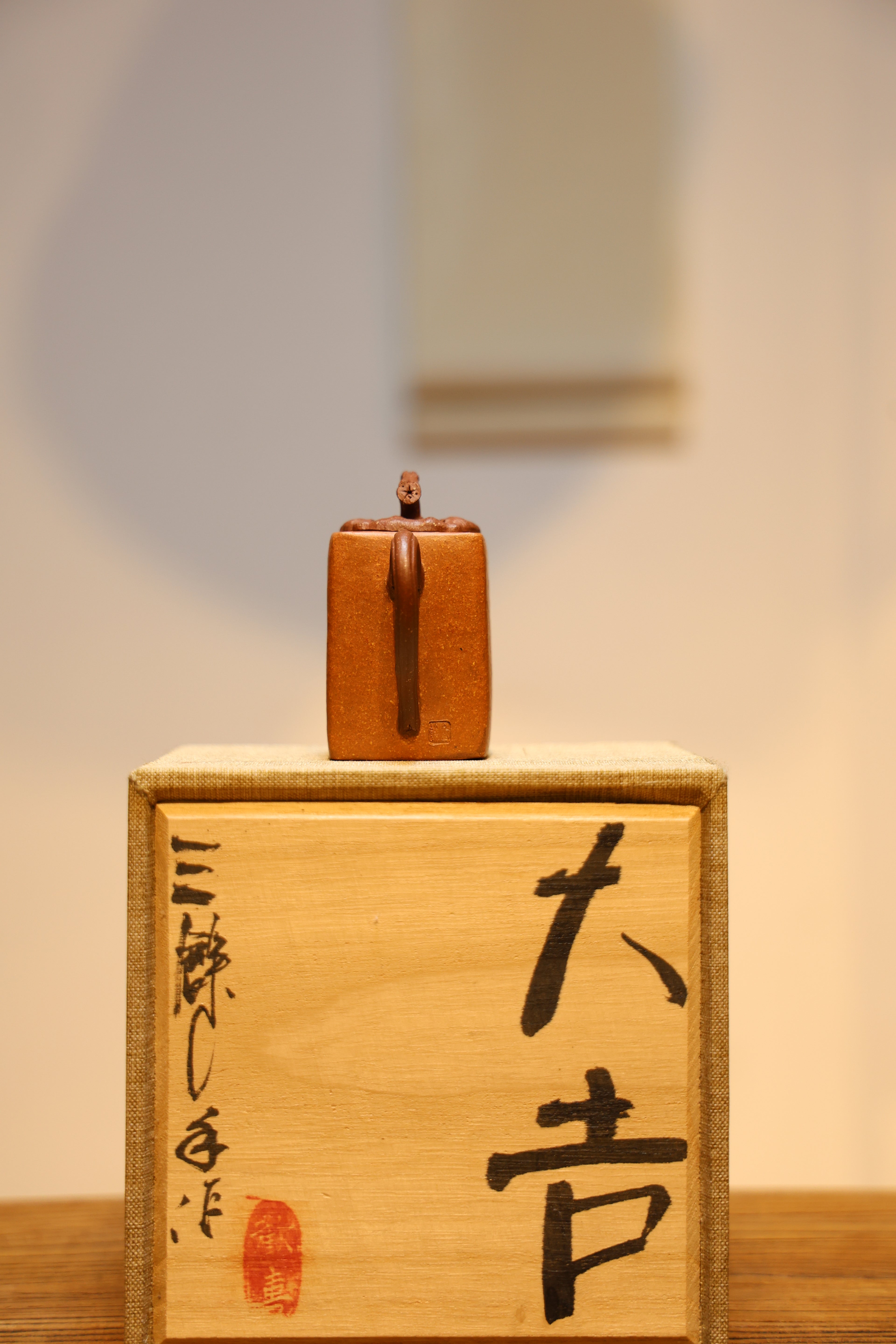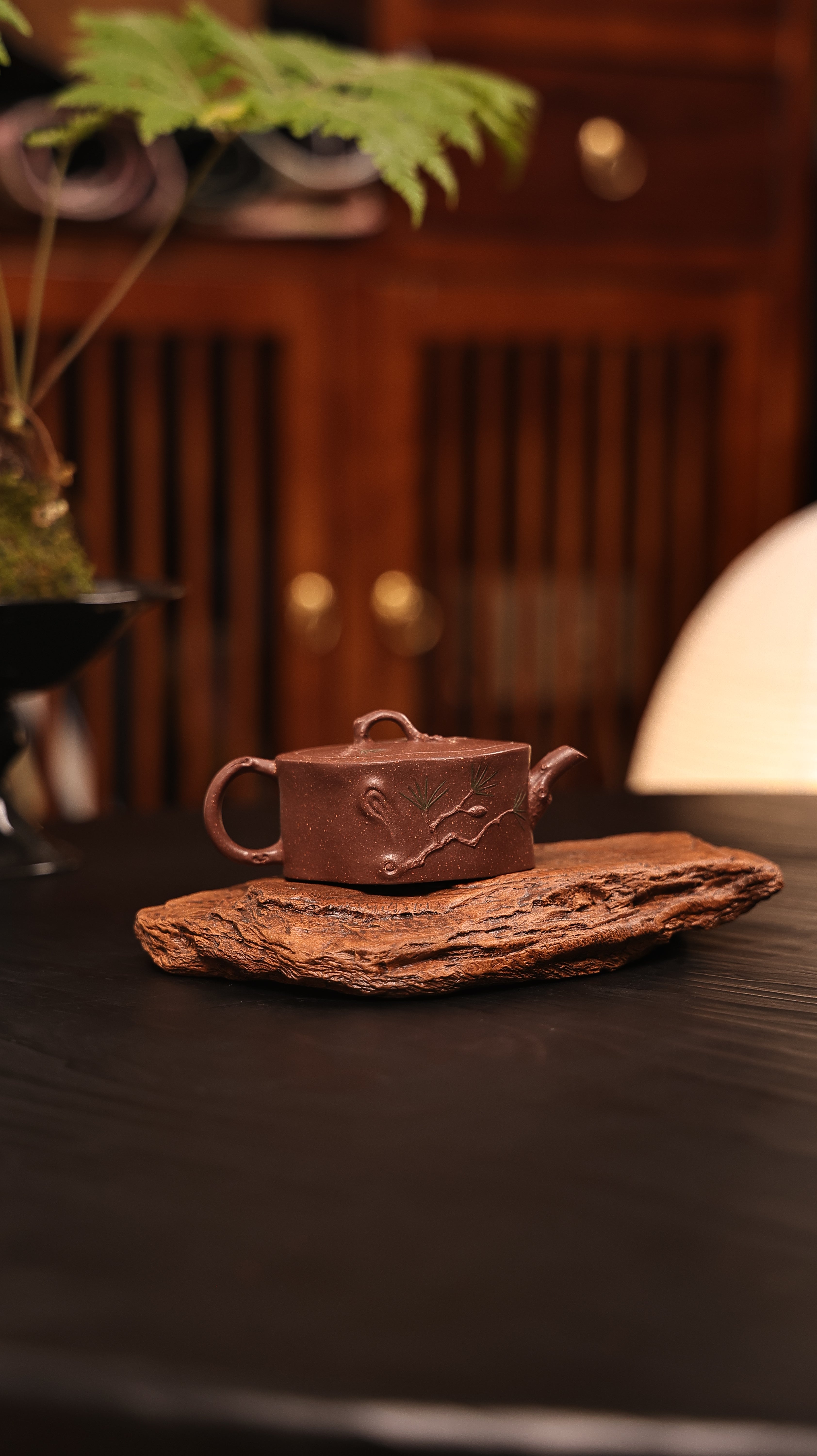
Ages of collectors have sought the special attraction of Yixing Zisha vessels. Originating in the small town of Yixing, the nation, these vessels are fabricated from a singular and recovered purple clay recognized for its extraordinary thermal qualities and ability to amplify the savor of beverages. Apart from their valuable appeal, Zisha teapots illustrate a profound legacy foundation, turning them extremely treasured and a undisputed find for any dedicated teapot collector.
Investigating Yixing Clay Pots
Classic teapots showcase a noteworthy unification of history and traditional craftsmanship. Originating in Yixing, Jiangsu Territory of China, their narrative goes back the Ming Dynasty, although manifestations suggest earlier expressions. The singular plum clay, called Zisha, found only in the Yixing region, is the paramount component, contributing to the pots' unmatched heat retention and the manner they shape the flavor of tea. Epochs of potters have refined techniques—often relayed through families—including forming the clay, applying exquisite embellishments, and firing the pots at specific temperatures.- Back then, Yixing teapots were often decorated with simple designs.
- In due course, more elaborate carvings and iconographic motifs became widespread.
- The baking procedure itself is a essential element, requiring years of knowledge.
Acquiring Zisha Teapots: Vital Checkpoints
Initiating a campaign to acquire Zisha kettles can be profitable, but it’s required to understand what to analyze. Authenticity is vital; focus on the terrain’s natural hue, a soft reddish-brown is conventional. Examine the texture; genuine Zisha has a characteristic tactile sensation, often depicted as slightly bumpy. The shape should be appealing and consistent with established styles, while marks, if present, require close examination for reliability. Don’t postpone to consult with experienced dealers or recognized experiences – their awareness is invaluable.
A Earthenware: Understanding the History of renowned Purple Clay
Years have seen Yixing Purple Earth teapots possess a notable role in Yixing Teapot Chinese arts. These beautifully crafted pots, sourced primarily from the locality of Yixing, are well-known for their peculiar cast, nature, and their ability to enrich the profile of tea. Many collectors seek antique Yixing teapots, prizing them greatly not only for their aesthetic appeal, but also for the past they symbolize.
Yixing Zisha Teapots: A Finest Types and Their Characteristics
Yixing Zisha teapots, originating from the traditional province of Yixing, the land, are well-known for their uncommon clay and high-quality brewing aptitudes. Inside the several Zisha types, the varieties that are highly prized include Binzhou Purple Sand. Binzhou, known for its rich purple shade and fine texture, delivers a tempered flavor. Duan Ni category, recognizable by its auburn color and mildly grainy feel, is said to enhance tea’s heft. Lastly, Zhuni sort boasts an scarce crimson tone and can offer a agreeable nuance. Each class provides a distinct experience, bringing them remarkably desirable among liquid enthusiasts.
Refining One’s Purple Clay Jar
To access the magic of your Yixing urn, learning the correct technique is necessary. These clay kettles, celebrated for their absorbency, will eventually retain the flavor of the tea you formulate within them. Begin by flushing the jar thoroughly with boiling water. Then, use only premium unpacked leaf tea, as lower quality options can affect the pot’s delicate notes. Always allow the leaves to bloom completely, and remember that with each session, your Yixing urn will become ever appreciated.
Preserving Your Beloved Zisha Piece
Proper management for your Zisha pot is fundamental to protecting its integrity and significance. Zisha clay, respected for its unique tone and structure, requires specific handling. Never use stringent soaps, as these can ruin the covering. After every brewing, rinse the urn with tepid water and allow it to evacuate moisture completely.
- Avoid soaking the pot for extended sessions.
- Regularly use a soft cleanser cloth to wipe the exterior.
- Contemplate applying a thin layer of food-grade ointment inside the kettle after drying, which can lessen staining.
A Beginner's Guide to Yixing Earthenware
Yixing earthenware, originating from the Yixing region in Jiangsu Province, within China, are celebrated for their distinctive aspects. Crafted from the unique purple soil known as Zisha, these kettles are prized by potion enthusiasts worldwide. This summary will simply explain the core elements – covering sorts of Zisha matrix, popular shapes, and vital care suggestions. Understanding the foundation of Yixing pitchers can deepen your appreciation for this valued example of Han culture.
Skill of Mandarin Containers: Showcasing Zisha from the Yixing region
Zisha soil from this city of Yixing represents the culmination of Asian teapot design, featuring a distinctive mixture of organic beauty and operational artistry. These outstanding pieces are noted for their profound tones, often stretching over bold purples and mahogany hues to pale greys and faint beiges. The noted mineral composition of the exclusive-to-the-area Zisha substrate imparts a unique texture and delivers a pleasant aroma that heightens the aggregate drink experience, resulting in them greatly coveted collectibles and critical components of any serious infusion.