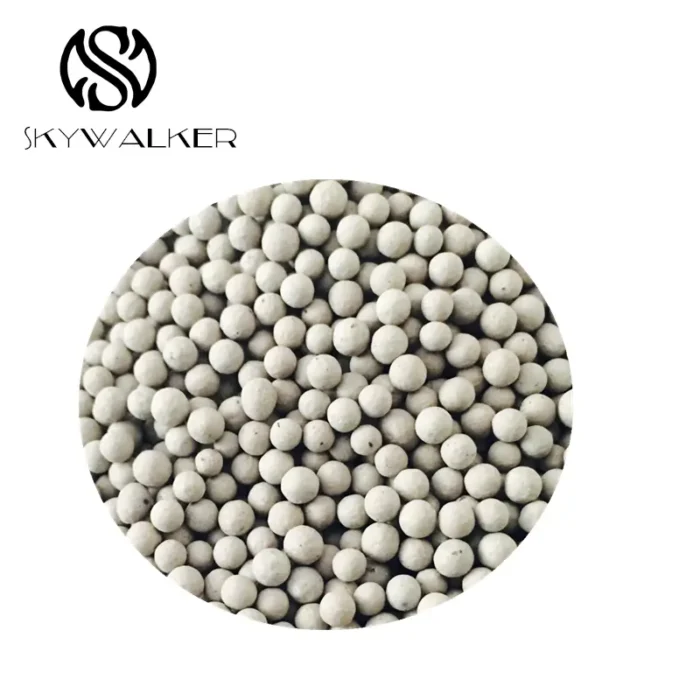
Decoding modified whitening material implies a comprehensive analysis of its elements. This remarkable entity is extensively employed in the cleaning of fats, proficiently removing pollutants. The enhancement practice typically involves thermal treatment, boosting its retentive efficacy to collect colored compounds. Finally, this overview will oil decolorizing clay discuss the theories behind refined bleaching soil and its benefits.
Bleaching Earth Providers: Selecting the Suitable Source
Attaining a steady partner of detoxifying substance is indispensable for many industries, particularly those involved in fat refining. Choosing the appropriate partner requires detailed consideration beyond just rate. Analyze their track record in mineral supply, their supervision procedures, and their capability to consistently accommodate your required amount needs. A trustworthy bleaching earth vendor will also offer expert advice and a range of grades to match your tailored application.
Certain Foundation Behind Enhanced De-colorizing Material
Processed bleaching clay, a cornerstone among the refining practice for edible oils, functions through a fascinating fusion of surface and chemical processes. Initially, naturally occurring bentonite is activated – a strategy involving heat and elements – to drastically increase its surface expanse. This expanded surface allows an immense number of sites for the careful adsorption of color pigments, undesirables, and negative odor compounds. The mechanism is primarily surface binding, where molecules are held by weak van der Waals forces, though some interactional adsorption can also manifest with certain materials. This results because of a significant mitigation of color and augmentation of the oil's appearance and essence.
Purifying Mineral - Parameters and Employments
Whitening soil, frequently named china clay, features unique features that equip it remarkably useful across extensive selection of branches. Its fundamental attribute is its remarkable radiance, originating from its decreased impurity volume. This feature causes it apt for tasks calling for a luminous visual aspect. Beyond its tint, bleaching substance is predominantly delicate and retains fine formability, enabling it to be conveniently molded. Popular implementations cover manufacturing manufacturing, polymer improvement, health blends, cosmetic articles, and as an dehydrating substance in different fabrication operations. Likewise, it finds implementation in pottery and lacquer domains.
Selecting the Right Enhanced Detoxifying Clay for Individual Objectives
Electing the correct purifying compound can be a advanced process, as multiple applications call for specialized properties. Weigh the type of fat you’re handling; some minerals are recommended for flora-based oils, while some are geared towards marine fats. Variables like permeability and adsorption capacity greatly influence effectiveness.
- Determine the shade and fragrance volume of the ingredient to determine the mandated detoxifying level.
- Evaluate the particle size distribution; finer particles generally offer increased surface area, but may present clarification challenges.
- Grasp the water level as it affects the material’s adsorptive power.
Lightening Aggregate: Creation Operations and Standard
The fabrication of bleaching earth, a widely utilized agent for oil refining and chemical purification, involves several key intervals. Initially, illite is recovered and then subjected to preparation via heat application and/or chemical modification. This system enhances the retentive properties of the substance. Afterward, rigorous status audits are implemented, incorporating evaluations of particle size separation, fuel adsorption potential, and hydration level. Innovative analytical systems, such as porosity analysis analysis and benchmark examination, are incorporated to warrant a reliable substance that complies with stringent requirements.
Low-impact Sourcing of Prepared Bleaching Earth
The climbing demand for activated bleaching earth presents a crucial challenge regarding its fabrication and environmental consequence. Traditional sourcing methods can give rise to habitat degradation and lessening of natural resources. Consequently, an emphasis towards sustainable sourcing is indispensable. This involves implementing practices like land rehabilitation of mined areas, reusing waste offcuts from other industries for development, and backing native communities to protect ethical and sustainable mining methods. Furthermore, endorsement schemes and detailed inspection processes are imperative to confirm that the compound is obtained in a truly renewable manner. Concerns should also include lowering heat consumption during processing and fluid usage.
- Tree planting efforts
- Leveraging waste materials
- Engaging local communities
- Authorization schemes
Refining Aggregate Source Catalog: Foremost Businesses Rated
Discovering a consistent clay supplier can be a obstacle, but our comprehensive registry aims to improve the process. We’ve thoroughly collected data and graded leading suppliers in the bleaching earth industry. This directory highlights important producers known for their merit and backing, allowing purchasers to identify the top source for their specialized needs. Various factors, including output volume, selection, and ratings, were analyzed in determining these greatest orders.
Perceiving Activated Bleaching Earth Performance Metrics
To effectively evaluate the effectiveness of activated bleaching earth, it’s vital to recognize key efficiency metrics. These benchmarks often include color grade, typically measured using a gauge, which reveals the earth’s ability to withdraw color from oils. What’s more, acid index is vital, as it regulates the bleaching process; a higher magnitude usually adheres with improved detoxification capabilities. Finally, sorptive area, often evaluated via BET analysis, noticeably impacts the earth’s capacity to sequester colorants, ultimately guiding its overall refining potency.