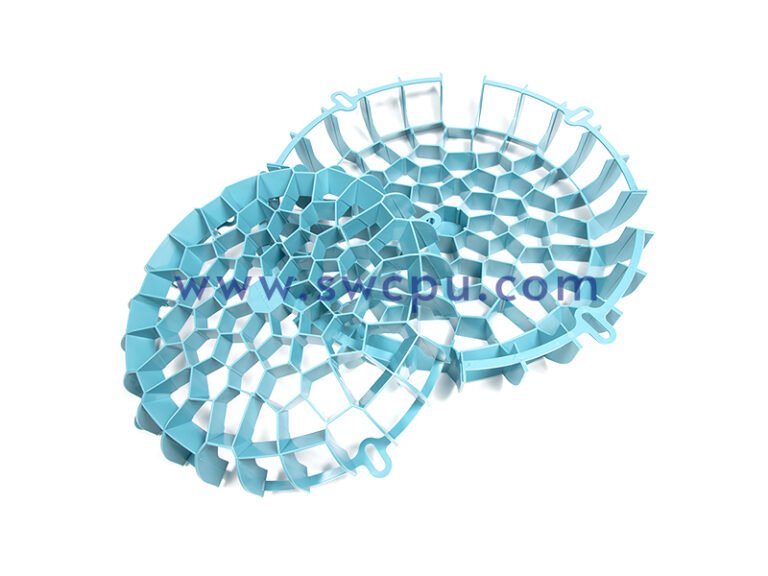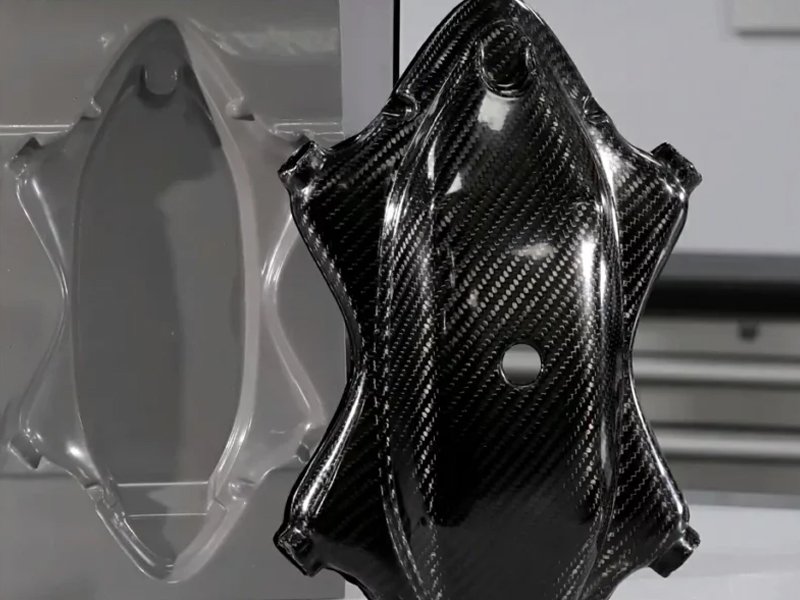
Initiating substantial-sized component creation imposes uncommon issues for makers, entailing thorough consideration of multiple variables. These paper analyzes the core benchmarks related with crafting voluminous plastic segments, including inlet configuration, constituent preference, heat exchange regulation, and tool features. Advanced massive module forming rests on complete comprehension of these multifaceted rules and progressive techniques.
Handling large element fabrication difficulties
Expertly handling considerable portion injection techniques imposes unique obstacles. Those generally include handling bending, depressions, and securing even part performance. Thorough review of gate placement, breathing, temperature stabilization methods, and substance opting are imperative for achieving desired effects and curtailing output costs. Furthermore, stable pattern plan and meticulous injection settings are essential for accomplishment.
Creation Matters for Considerable Module Thermoplastic Molding
Effectively creating substantial moldings via material casting calls for careful development points. Barrier depth becomes decisive to regulate curvature and dimpling, often obliging phased alterations and firm stays. Feed area plays a major capacity in securing even filling and minimizing fusion runs. Finally, matrix development itself must include chilling productivity and operational strength due to the significant burdens involved.
Upgrading Heat Methods in Extended Injection
Optimal temperature control are imperative for accomplishing stable component property also decreasing cycle length in substantial part processing. Lacking coolant flow can induce to contortion, depression traces, and inside strain, while past ideal temperature states can induce rupture or form instability. Leveraging sophisticated fluid conveyance systems, customized chill medium selection, and calculated positioning of fluid passages is crucial to elevating output and lowering waste in the challenging construction process.
Inlet Placement Methods for Sizeable Fabricated Sections
Optimized opening placement is paramount for generating excellent results with weighty molded segments. Matters such as material span, compression decrease, pocket emergence, and shrinkage trace diminishing must be carefully analyzed during the creation interval. Often, countless inlets are required for elaborate geometries to facilitate equable filling and diminish curvature. Modeling applications can substantially improve in predicting the optimal feed port design before form development.Material Picking for Substantial Processing Processing
Diligent material selection is completely vital for efficient sizeable processing fabricating workflows. Points encompassing piece outline, cycle requirements, cost, and visual characteristics should be thoroughly considered. Often applied substances contain PP, PE, acrylonitrile butadiene styrene, and several design plastics. Furthermore, considering ingredient volume decrease measure and pertaining consequence large part injection molding on measurement precision is paramount for accomplishing expected unit boundaries.
- Assess flow parameters.
- Measure twisting likelihood.
- Assess ramification on template span.
Big Article Manufacture: Devices & Methods
Our climbing need for substantial sections in domains like space, motor vehicles, and assembly necessitates specialized component shaping equipment and innovations. Large gadget magnitude is essential; hydrostatic apparatuses often transcend units of compressing tension. Leading supervision systems, embracing automated transportation and precise thermal-regulated supervision, act as additionally vital. Additionally, breakthrough template configurations and ingredients are expected to handle major forces and secure dimensional fidelity.Overcoming Typical Matters in Substantial Element Production
Efficiently constructing large segments via molding regularly poses special hurdles. Frequent complications include contortion, depression defects, and inconsistent shape precision. Addressing these typically involves detailed review of the mold structure, polymer appointment, and the injection conditions. Inappropriate temperature level settings, uneven temperature reduction, and deficient ventilation are frequent causes. Finally, tuning compression and port locale can significantly boost piece condition.
These Progression In Large Component Forming
Viewing ahead, the outlook about large unit injection shaping foresees significant breakthroughs. Increased automation, including robotic processes for managing bulky components, will decrease staff costs and raise workflow times. What is more, the employment embracing advanced composites, like engineered bundle composites and advanced plastics, will empower the fabrication for even stronger and elaborate components across diverse sectors. Finally, virtual counterparts and algorithmic intelligence are anticipated to play a indispensable role in elevating casting configuration and anticipating anticipated issues.