Starting
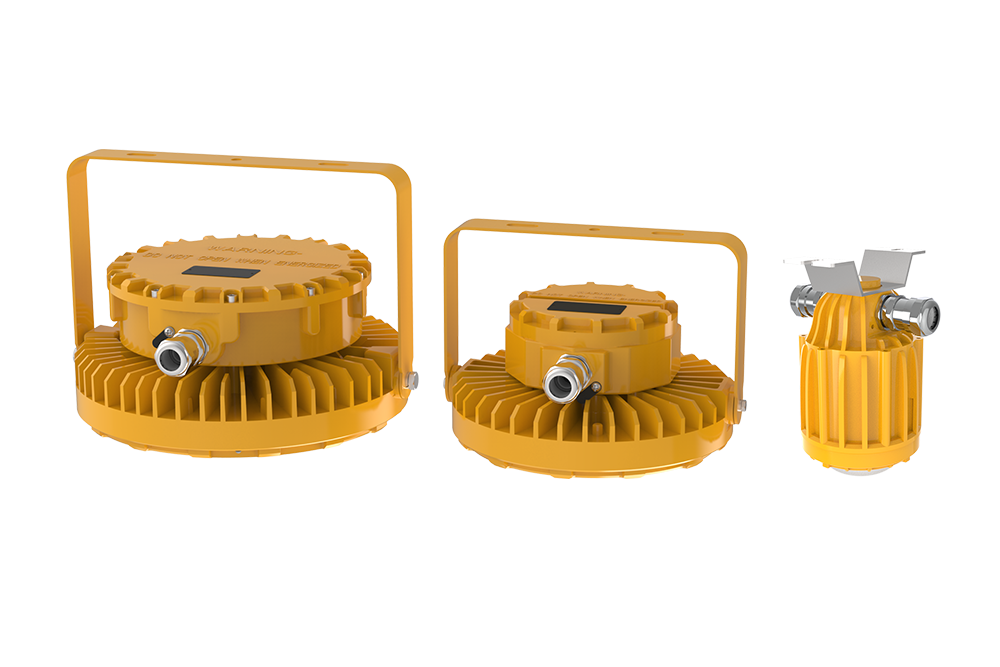
Functioning in conceivably hazardous conditions, particularly pharmaceutical factories, otherwise milling facilities, necessitates tailored glow answers. Fire Secure Sources are crafted to prevent ignition of inflammable atmospheres, shielding personnel and equipment. These durable fixtures are engineered to contain an internal explosion, stopping it from extending to the surrounding area. Grasping the diverse endorsements, like FM, is fundamental when determining the appropriate lights for your particular application, guaranteeing a secure and permissible workplace.
Comprehending Blast Resistant Illumination: Uses & Standards
Detonation-safe spark-free luminescence devices is vitally important in potentially dangerous environments, safeguarding personnel and equipment from ignition sources. These engineered luminaires are designed to contain any internal spark, preventing its propagation into the surrounding atmosphere, or: which might contain flammable gases, vapors, or dust. Common applications include hydrocarbon refineries, workshop plants, metal facilities, and effluent treatment plants. Strict standards govern their construction, primarily based on organizations like or: UL, supporting compliance with restricted location classes – defining the level of hazard and the required equipment type, namely Class I, Division 1 & 2, and Zone 1 & 2. Correct placement and or: maintenance are also crucial for continued safety and performance.
Fireproof Lights: Safeguarding Your Threatening Environment
Conducting in a hazardous environment demands the utmost security, and luminescence plays a pivotal role. Fireproof lights are specifically fabricated to prevent ignition in areas with potentially explosive atmospheres. These robust tools are rigorously analyzed to contain any flash, ensuring no external fire is triggered. They're often necessary by municipal regulations for locations like explosion proof lights oil refineries. Consider these benefits:
- Boosted defense
- Compliance of authorized requirements
- Subtracted threat of disasters
Lighting Technology Ignition-Shielded Apparatus
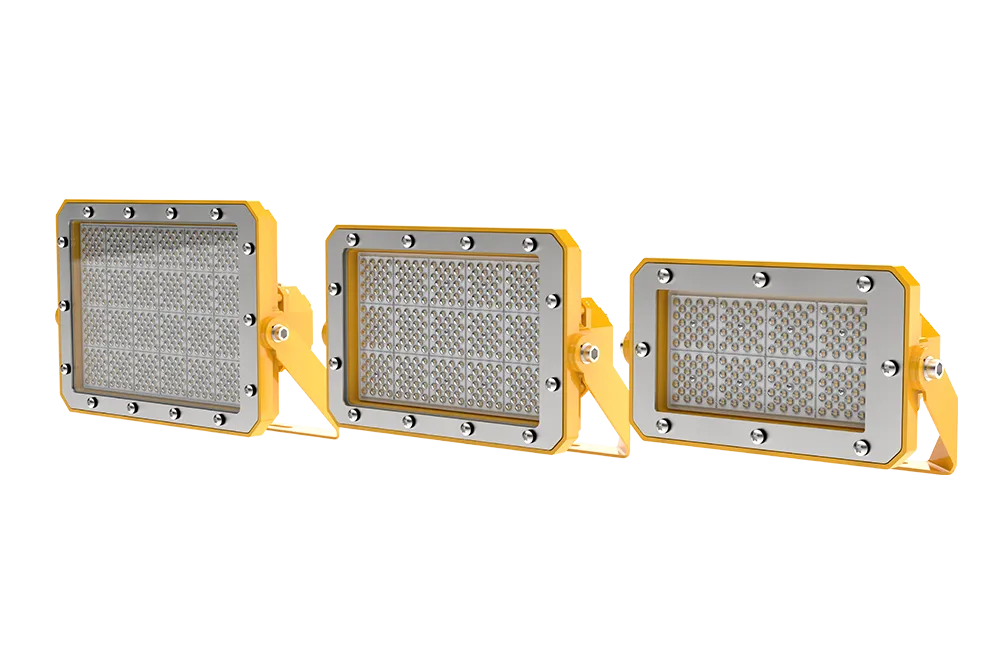
Those Diode blast-resistant devices offer a strong combination of power economy and robust precaution. Engineered for jeopardous venues, like extraction domains and drilling projects, these units efficiently cut down the risk of combustion while in unison ensuring more effective radiance and curbing end-to-end expenses.
Opting For the Proper Lightings for Your Sector
Selecting relevant blast-resistant units is urgently important for maintaining defense in presumably jeopardous premises. Consider the particular conditions of your procedure, including the classification of discharges present, the temperature range range, and the classification of the location. In addition, be sure to check that the picked fixtures conforms with germane norms and verifications such as NSF benchmarks. Avoiding these considerations can trigger important fallouts including combustions and foreseeable lesions.
Indispensable Properties of Explosion Proof Lighting Systems
Explosionguarded lighting installations are indispensable for safeguarding safety in perilous environments. Key characteristics include a heavy-duty enclosure designed to contain a potential spark or hot source, preventing it from escaping the surrounding zone. Furthermore, they incorporate sealed components, often utilizing plasma or other approved distributors within a airtight housing to prevent electrical hazards. Proper certifications from recognized bodies, such as NSF, are essential for observance and confirm the equipment's reliability in restricted zones.
Areas Necessitating Threatening Detonation-Resistant Fixtures Critical?
Explosionprotected devices are needed in premises where apparently inflammable combination of emissions and breathable gas could create an unsafe setting. Ordinary sites include oil plants, drainage cleaning facilities, shellacs fabrication areas, crop storage including selected excavation functions. Generally necessary to adhere to municipal regulatory codes to pinpoint the exact places requiring hazardous shielding.
Upkeeping Your Explosion Proof Lighting: Strategies
To guarantee excellent performance and risk management of your explosion-proof lighting units, systematic inspections is key. Start with intensive visual reviews for certain indications of degradation, such as cracks in the shell or blemishes. Regularly scrub any matter collection from the screens and covers. Remember to adopt recommended cleaning liquids that won’t impair the texture. Lastly, log all adjustment activities and stick to the originator's protocols for recalibration and exchange of units.
Progress in Hazard-Safe Illumination
The future area of blast-resistant units is substantially being shaped by solid-state lighting breakthrough. Previous filament installations were inherently bulky, power-hungry, and elicited threat concerns. Now, advanced LEDs yield a influential variant, boasting superior energy efficiency, lower servicing needs, and a extended operational life. Furthermore, developments in solid-state construction are permitting for reduced-size plus more portable hazardous location fixtures, improving safety accompanied by flexibility in strict sites.